
Broadening your machine monitoring strategy allows your operations to shift from a disconnected silo to an integrated, data-rich narrative in which every machine can talk, and every team can listen.

Factories today tell a story in two halves: a tale of gleaming, modern CNC machines streaming data to dashboards, paired beside older, time-tested equipment that hums reliably but remains invisible in the eyes of digital monitoring systems. This schism is more than just technological nostalgia; it’s a blind spot costing manufacturers in ways they may not realize, as revealed in Scytec Consulting’s recent webinar, “Machines You Didn’t Know You Can Monitor.”

The Hidden Side of the Shop Floor

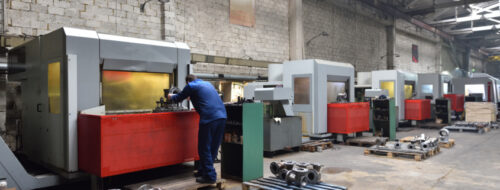
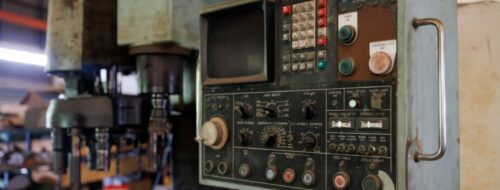
Step into any production facility and the contrast is clear. While the latest machines report their every move in real time, legacy mills, fabrication lines, robot cells and even conveyor belts and pumps operate undetected in the data landscape. These machines, lacking modern interfaces, are often sidelined, assumed too challenging or insignificant to monitor.

Legacy equipment monitoring isn't often a priority, as older machines are assumed too challenging or insignificant to monitor. But the cost of their invisibility accumulates.

Legacy equipment monitoring isn’t often a priority, as older machines are assumed too challenging or insignificant to monitor. But the cost of their invisibility accumulates.

But the cost of their invisibility accumulates. OEE (Overall Equipment Effectiveness) metrics become skewed, operational bottlenecks stay hidden and teams are caught off guard by downtime events cascading from an unmonitored corner of the shop. For IT managers, partial visibility can undermine confidence in analytics. For operations leaders, unexpected downtime remains a persistent mystery in which the root cause has yet to be fully identified.

Enabling Every Machine to “Talk”

The paradigm is shifting – thanks to advances in edge devices and versatile data collectors. Today, relays, signal converters and IoT sensors can harvest signals from even analog presses and decades-old mills. Ethernet isn’t the dividing line; devices can now translate run/stop signals, power use and vibrational cues into actionable intelligence. The Scytec webinar demonstrated that the tracking of an elevated temperature of thermocouples can trigger graduated alarms to key stakeholders on and outside of the shop floor. These alarms can prompt actions to decipher likely causes and next steps for the operator, maintenance and management for continuous improvement.


These innovations turn the challenge into opportunity. IT departments can transition from mere system guardians to champions of digital transformation, unlocking insights previously lost in the noise of unending support tickets, safeguards against ransomware, upskilling staff and so on. Operations teams, in turn, gain a richer, more complete perspective to underpin scheduling, planning and maintenance strategies – helping to answer the perennial questions of “How much capacity do I have?,” “Should I buy a new machine or hire more, and when?” and “Is this machine underutilized or better applied elsewhere?”


Even older conveyor belts and pumps can operate undetected in the data landscape without proper legacy machine monitoring.

Even older conveyor belts and pumps can operate undetected in the data landscape without proper legacy machine monitoring.

Prioritizing Legacy Equipment Monitoring

Given the flood of urgencies occurring on the floor each day, why does this matter now? There are three forces changing the game today:

  • Rising cost pressures: Margins across manufacturing sectors are narrowing due to tariffs, continued inflation and a tight skilled labor market, making blind spots in downtime and performance increasingly expensive. Over 70% of CEOs polled by Chief Executive agreed that increasing costs is their top challenge in 2025.
  • Simpler retrofits: What once required bespoke engineering can now be achieved with off-the-shelf hardware and rapid deployment with the expertise of a manufacturing integrator, like Shop Floor Automations. A well-established integrator enables manufacturers to not only source, vet and implement equipment monitoring solutions – but provides the in-depth service and support to properly wire PLCs into machines, such as a Haas Style 2/3 Light Tower.
  • Clamor for deeper data: Boards and executives are demanding sharper insights into OEE and capacity, in which partial answers (or “I don’t know” responses) are no longer acceptable. Harvard Business Review details how AI is now empowering the decision-making process of boards. “The board of one steel company used AI-generated simulations to help it decide between investing in an existing production facility or building a mill in a new geography,” wrote authors Stanislav Shekshnia and Valery Yakubovich. Data can be made available throughout the enterprise; now it’s a matter of who, what, when, how and why.

The ROI becomes tangible as more machines join the network: surprises diminish, planning gains precision and proactive maintenance can catch issues before they become costly crises. “We’ve seen an approximate 10% increase in efficiency across the board,” says Reyes of his machine monitoring approach at MOGAS, a manufacturer of severe service ball valves for industrial applications.

Retrofitting legacy equipment for monitoring has become simpler, thanks to advances in off-the-shelf hardware and rapid deployment from manufacturing integrators, like Shop Floor Automations.

Retrofitting legacy equipment for monitoring has become simpler, thanks to advances in off-the-shelf hardware and rapid deployment from manufacturing integrators, like Shop Floor Automations.

Take Action

To start exposing your blind spots, Scytec provided the following recommendations for manufacturers with a mix of legacy and modern equipment on the shop floor today:

  1. Audit your shop: Spotlight machines that currently fly under the radar.
  2. Target quick wins: Focus first where downtime creates clear pain.
  3. Run pilots: Test solutions on a small cell or line before a full rollout.
  4. Validate and expand: Confirm the data’s accuracy, then scale methodically while keeping operators in the loop.
  5. Value incremental progress: Even modest expansions can quickly uncover hidden inefficiencies and deliver payback.

The Future: Connecting Old and New

True smart manufacturing isn’t just defined by the newest, shiniest equipment on the floor – that simply isn’t cost-effective for most manufacturers. Smart manufacturing is built on bringing every piece of the fleet, old and new, into the conversation. Each previously unmonitored machine adds a vital clue to the puzzle of shop floor performance.

As manufacturers broaden their monitoring strategies, the story shifts: from disconnected silos to an integrated, data-rich narrative in which every machine can talk, and every team can listen. Contact manufacturing integrator Shop Floor Automations to explore your connectivity options today.

DNC hardware device setup

Cybersecurity, Downtime and What You Can Do About It

In Part 1, we covered how the rush to install low-cost DNC program transfer devices can create real electrical hazards and safety risks on the shop floor. But the threats don’t stop there. When improperly installed, these devices can also expose your systems to cyberattacks, data corruption and expensive production downtime.


Let’s break down the next two hidden dangers.


Danger #2: Cybersecurity Vulnerabilities

“Attacks against Ethernet ports,” writes Lee Neitzel and Gabe Faifman in the International Society of Automation (ISA) blog, “usually try to exhaust buffer space or processing capabilities of the network interface card or its associated communications software. These attacks may be intentional or unintentional, such as a network storms or network scans that are configured to run too rapidly.”


RS232 Port on CNC for DNC hardware setup

RS232 ports, like the one shown, can provide a “back door” into CNCs for malware or errors that result in incorrect part programs, parameter tampering or hidden logic bombs in G-code.

Shops that lack robust network policies are especially vulnerable. Older machines rarely include built-in security features, and many manufacturers fail to control or disable unused Ethernet ports. Without monitoring, malware can move from the enterprise network to shop floor devices, corrupt G-code, or give unauthorized users access to machine controls. And when operators aren’t trained or processes aren’t standardized, those risks only grow.


Danger #3: Downtime, Lost Programs and Productivity Setbacks

Ironically, installing DNC hardware devices to increase efficiency often leads to lost time when best practices are skipped. Common causes of these failures include devices not being correctly configured to match the CNC machine’s baud rate or parity settings, lack of durability under real-world shop conditions (such as exposure to high temperatures, dust or coolant mist) and insufficient operator training in file handling and transfer protocols.


Additionally, when IT and engineering teams are excluded from the DNC hardware setup process, there is often no oversight of whether best practices or internal standards are being followed. As a result, basic oversights, such as misnamed files, unsupported transfer formats or missed firmware updates, can halt production, require rework or damage tools and fixtures. Such errors may seem minor, but over time, the accumulation of these setbacks erodes efficiency and morale. The good news is that these are entirely avoidable issues if the device implementation is approached as a strategic investment, rather than a quick fix.

CNC program hardware transfer device installation

For manufacturing IT and operations leaders, ensuring that DNC hardware is installed safely, securely and professionally is not just about keeping machines running – it’s about protecting your people, data and bottom line.

Planning for Protection and Security

The key to mitigating these risks lies in treating DNC system hardware setups with the same level of rigor applied to any other industrial system. This begins with investing in industrial-grade hardware designed specifically for use with CNC equipment. Devices should include features like electrostatic discharge (ESD) protection, high-durability enclosures and shielded cabling. Choosing cheap or consumer-grade components may save money upfront, but the long-term risks and performance issues quickly outweigh the benefits.


Older machines rarely include built-in security features, and many manufacturers fail to control or disable unused Ethernet ports. Without monitoring, malware can move from the enterprise network to shop floor devices, corrupt G-code, or give unauthorized users access to machine controls.


Equally important is the involvement of cross-functional teams in the planning and deployment process. Projects that include IT, operations, maintenance and safety stakeholders tend to yield better outcomes because each discipline brings unique expertise – whether it’s ensuring cable routing complies with OSHA 1910.305, planning for device accessibility during routine service or ensuring sufficient clearance and ventilation. When teams collaborate, they create an environment where both technical and frontline personnel understand correct usage, maintenance protocols and early warning signs of trouble.


From a cybersecurity perspective, “devices should be required to pass a recognized communication robustness certification, such as Achilles Communication Certification,” recommends Neitzel and Faifman. “These certifications use a battery of tests to verify that network ports and their communications software have been implemented to withstand high traffic rates and malformed packets.”


Physical security also matters. DNC file transfer hardware should be mounted in tamper-proof, vibration-resistant locations with clear labeling to assist in troubleshooting and maintenance. Cable runs should be managed to avoid strain, tangling or obstruction of moving machine parts. These details may seem minor, but together they form a strong foundation for safe, stable and compliant CNC integration.


CNC program transfer processes can streamline operations, but only if implemented with the same care applied to the machines themselves. For manufacturing IT and operations leaders, ensuring that hardware is installed safely, securely and professionally is not just about keeping machines running – it’s about protecting your people, data and bottom line.


Assess Your DNC Hardware Setup Today

Talk to a manufacturing integrator technician or request an audit of your current DNC hardware setup to ensure you’re not putting your operations at risk by contacting Shop Floor Automations today. The convenience of DNC hardware devices should never come at the expense of your people, your data or your productivity.

CNC machine maintenance work

Why DNC Hardware Convenience Can’t Come at the Cost of Safety and Uptime

Network-based CNC program transfer devices, like Wireless Connect or Wired Connect, have become indispensable tools for modern manufacturers. These devices streamline the transfer of CNC programs from desktop or laptop computers directly to machines, eliminating the need for legacy memory systems like floppy drives and PCMCIA cards. Manufacturing professionals recognize the time, effort and expensive OEM memory upgrades spared as a result of such hardware. “[They] definitely saved us a lot of time, a lot of money, from having to run around and do it with a laptop, especially on a lot of the older units that have the floppy drives in them, or the PCMCIA cards. They kind of died out, so it was definitely a big help for us,” explained Project Manager Randy Glover from Fredon Corp.


CNC floppy disks replaced by DNC hardware

Floppy drives are no longer needed to transfer CNC programs from desktop or laptop computers to CNC equipment, as today’s DNC hardware devices streamline the process.

However, beneath the surface of their convenience lies significant risk, especially when these devices are installed incorrectly or without adequate consideration for safety, network security and environmental compatibility. Improper DNC hardware installation isn’t just a maintenance issue; it can create serious safety hazards, compromise your network and lead to avoidable downtime.

Leveraging LAN Infrastructure for DNC Program Transfers

Ethernet-to-CNC devices offer DNC file transfer convenience for aged CNC machines that were built with floppy drives and still have an RS232 serial port to leverage Ethernet connectivity. They allow operators to upload or download G-code programs and standardize using network cables to all CNCs. But for manufacturers on a budget, it can be tempting to purchase low-cost devices on e-retailers and platforms like Amazon or eBay. The affordability of these options can be negated by the lack of compatibility or guidance to connect drivers, the specific controller and the DNC software itself. That’s where the risks start, as you or other team members attempt – rather blindly – to install inexpensive devices on your capital equipment.


Danger #1: Electrical Hazards, Operator Safety and Machine Damage

Improperly installed or low-quality CNC program transfer devices can cause short circuits, voltage surges, or ground loop issues, particularly when connected to older CNC controllers. And when cabling isn’t secured or properly integrated with standard safety procedures, there are added trip hazards, accidental yanks on live connections and entanglement with moving parts that are more than inconvenient – they are real safety threats that can result in injury or even death.


According to the U.S. Bureau of Labor Statistics (BLS), over 15% of workplace fatalities in 2022 were related to contact with equipment or electrical exposure. Yet many installations still run cables without shielding, strain relief or consideration for clearance

CNC machine maintenance work

Over 15% of workplace fatalities in 2022 were related to contact with equipment or electrical exposure, reveals the BLS, yet self-installed hardware devices still run cables without shielding, strain relief or consideration for clearance during machine cleaning.

during machine operation or cleaning. Then when an issue occurs, as Asian cabling provider JJ-LAPP describes, “in a tangle of unlabeled wires, your engineers have to trace that mess by hand. It’s a slow, frustrating process that can take way longer and lead to more mistakes. What’s worse, when you stuff cable trays too full, you kill the airflow. The cables overheat, which wastes energy and cooks the insulation, making them fail even faster.”


In a worst-case scenario of a poorly grounded USB adapter, unintended voltage spikes can be distributed to the CNC’s control board to not only fry serial ports or controller cards, but produce unexpected machine behavior, like motors jerking or stopping, and void machine warranties. The result of such spikes can lead to unexpected machine downtime, repairs and production schedule impacts. This can be a costly and frustrating outcome in the quest to “save” a few dollars with a cheap purchase and a Do-It-Yourself (DIY) installation, rather than partner with a professional manufacturing integrator, like Shop Floor Automations, and their skilled technicians.


Improper DNC hardware installation isn’t just a maintenance issue; it can create serious safety hazards, compromise your network and lead to avoidable downtime.


Up Next in Part 2: We’ll explore two additional threats: cybersecurity vulnerabilities and avoidable downtime caused by misconfiguration and oversight. You’ll also learn how to protect your team and productivity by treating DNC hardware as a strategic investment – not a DIY shortcut.

Aging Equipment for USB Upgrade

Lengthen Useful Life with CNC USB Upgrades

You have a machine that is 30+ years old. It’s been there since the early days, long before Industry 4.0 was a buzzword and before wireless file transfer was even imaginable. It may be even going by the affectionate nickname of “Trusty.”

Despite its age, the equipment runs like a dream. Its spindles are still tight, axes still accurate within a few microns and its rugged build could chew through titanium like butter. Operators swear by its consistency. “It just knows what to do,” one would say. “Never crashes, never fusses.”

But there’s a catch. And it’s a costly one.

The machine’s control system, still original, can only receive CNC programs via two obsolete methods: a floppy disk drive and a Type I PCMCIA card slot. In an age when everything else on the shop floor has moved to USB, Ethernet or RS232 serial transfer, Trusty’s data interface is like a rotary phone in a world of smartphones.

PCMCIA Cards for USB Upgrade

The Bottleneck Begins

Every time a new G-code program needs to be loaded – be it a customer revision, toolpath tweak or entirely new part setup – one of the operators has to break from their routine to hunt down one of the two working 3.5″ floppy disks still in circulation. They probably guard those floppies like gold; one might be labeled “A-Shift Only” in Sharpie.

File sizes have to be trimmed meticulously. Programs have to be split into segments due to the 1.44MB limit. Worse still, perhaps the old laptop that supports the PCMCIA cards only works when plugged into a wall and booted in Safe Mode. You’re constantly worried that it will blue-screen in the middle of a critical job for an already-dissatisfied customer. The resulting delay could push an entire shift back, cause an overnight rush and lead to missed delivery windows. The warnings are clear: the machine isn’t failing mechanically, but it is failing logistically.

Good Machine Health Can Still Be Costly

Even if the machine can still “run well,” the time lost in file prep, operator retraining and manual transfers adds up. Even one mistake in file versioning – say, loading the wrong program because the floppy labels have rubbed off – means scrapping parts, rework or worse, customer complaints or attrition.

Machine Maintenance Work

Then there’s compliance. Traceability and control of removable media may be a major priority, particularly for manufacturers with Federal Contract Information (FCI), yet the tracking of file changes and revisions on a machine that relies on physical media is like trying to manage ERP through Post-it® Notes.

If these challenges sound eerily familiar, you’re among peers. But replacing your aging CNC equipment just to modernize data communication is rarely feasible for most operations. IndustryWeek published this shared opinion from one operations manager at a Midwestern automotive components plant: “We can’t justify scrapping equipment that still produces quality parts just because it lacks connectivity.” Instead, many are choosing to retrofit their legacy equipment – with tangible results.

Retrofitting for Longevity

The process of upgrading floppy drives and PCMCIA cards on older CNC machines can be surprisingly simple, that is, with the right hardware and manufacturing integrator. Shop Floor Automations (SFA), which specializes in delivering machine connectivity through a full suite of hardware and software solutions, refers customers to its USB Connect device to improve obsolete CNC file program transfer processes without retiring the asset. “It’s a ruggedized, plug-and-play unit that lets you load and save programs via USB just like you would on newer machines. You install it on the CNC and connect it to your machine’s RS-232 port, insert a USB flash drive containing your programs and send the file directly into the CNC control. There’s no software setup, no tweaking parameters. It behaves exactly like a serial communication tool, only far faster and easier to use,” explains Greg Mercurio, president of SFA.

These benefits make CNC USB upgrade retrofits increasingly attractive, but Mercurio advises a careful connectivity approach. “Choosing the wrong device or the wrong partner can quickly turn productivity or efficiency issues into unexpected downtime, safety or security issues. Cutting costs and attempting implementations without a well-crafted plan or experienced installer isn’t worth the risk,” says Mercurio.

A New Lease on Machine Life

Programs can now be sent directly from your shop’s programming workstation to Trusty and other older CNC machines, removing the need for floppies, patch cables or ancient laptops. The operator loads programs as if they used a removable USB thumb drive, but without all the marching back and forth between the programming office and CNC.

With this CNC USB upgrade device in place, operators can be empowered to focus on quality parts, not workarounds. Engineering can feel confident in a more streamlined CNC program transfer process. IT can rest easy with full awareness of this process, as well as the roles and responsibilities that result in a compliant and secure course of action. And long-standing equipment, like Trusty, can still run just as well, only now, with the tools to keep pace with the rest of the floor. Learn more about upgrading your existing machinery with expert assistance from SFA technicians by reaching out today.

USB-LAN Connect with FTPS; USB Encryption for CNC

The added File Transfer Protocol Secure (FTPS) of USB-LAN Connect reduces the risk of data breaches, operational disruptions and noncompliance for data-regulated manufacturers.

Shop Floor Automations (SFA), a manufacturing integrator specializing in digitally transformative hardware, software and support solutions, introduces the upgraded USB-LAN Connect device with FTPS to facilitate seamless and secure communication between CNC machines and network storage. Designed for manufacturers within data sensitive industries, such as aerospace and defense, oil and gas, heavy equipment and medical device products, the new USB-LAN Connect with FTPS allows such manufacturers with aging equipment to securely transfer and drip feed machine programs between the device and CNC memory using SSL encryption.

LAN-USB Connect with FTPS

The new FTPS upgrade of USB-LAN Connect helps data-regulated manufacturers reduce the risk of data breaches, operational disruptions and noncompliance by securely drip-feeding machine programs between the device and CNC memory using SSL encryption.

Traditionally, manufacturers seeking to digitally transfer programs with Ethernet among older equipment, such as Haas, Hurco, Mitsubishi, Fanuc, Mazak, Mori Seiki, Okuma and other brands, would need to retrofit their equipment with new security controllers or invest in new machinery altogether. USB-LAN Connect with FTPS now allows the device to respond instantaneously to CNC data flow changes with an added layer of security. FTPS encrypts both the command and data channels to ensure that all sensitive data is protected during transmission.

“The modern manufacturer is accountable for delivering quality products, efficiently, securely and profitably,” says Greg Mercurio, president of SFA. “Our unique role as a manufacturing integrator affords us the ability to design the right hardware, software and service to help resolve the automation challenges of our customers. The upgraded USB-LAN Connect with FTPS is the latest example of our pledge to provide the best offerings to support the goals of manufacturers by exceeding industry standards for data protection.”

Key Features of USB-LAN Connect with FTPS

  • Includes FTPS Protocol layer for secure file transfers
  • 4-line, easy-to-read LCD display with USB port
  • Supports drip feed and protocols for Xon/Xoff, software handshaking, RTS/CTS hardware handshaking and X-modem
  • Drag-and-drop files over Ethernet to your CNC
  • Supports Baud rates of 1200-115,200
  • Configurable data/parity/stop bits
  • Supports Fadal X-modem/Fadal file transfers and Haas X-modem
  • No special software is required; utilizes standard FTPS software
  • Mid-tape start with search function
  • End of block character control
  • Add percent sign to programs on the fly
  • Configurable line delay & EOB CR/LF
  • Connects via RS232 serial on CNC
  • Allows a directory listing and the creation of unlimited folders to organize part programs
  • Includes RS232 cable for your CNC
  • Includes power cord for support between 115-230 volts AC
  • Uses any brand/size USB memory stick; includes 8GB USB memory stick
  • 1-Year Warranty
  • Lifetime support in USA

Product Versions and Availability

All versions of USB-LAN Connect, as listed below, are available for immediate purchase by calling SFA hardware sales at 619-461-4000:

  • USB-LAN Connect with FTPS and Ethernet
  • Unsecured USB-LAN Connect with Ethernet
  • USB-LAN Connect device

Current USB-LAN Connect users may upgrade existing devices to the FTPS-enabled version by simply downloading and updating firmware as part of a minimally-disruptive process to ongoing operations.

For more information about SFA and the new USB-LAN Connect with FTPS upgrade, call 877-611-5825 or visit www.shopfloorautomations.com.

DNC manufacturing integrator for Legacy Equipment

Comparing your legacy, aging equipment – your die-hard lathe or CNC milling machine – to new machinery options is easy to do. In fact, there’s a term for it: “appeal to novelty.” Equating newness to superior quality, writes educator Academy 4SC, is a logical fallacy in which something is claimed to be better simply because it is modern. “This is because we assume that people will try to improve upon what came before them. Thus, when we hear about something that’s ‘revolutionary’ or ‘cutting edge,’ it can be tempting to think that this new product is better.”

Centralizing Control

But seasoned maintenance and operations professionals know that aging equipment can perform just as well, running the same hours per day and days per year if maintained properly. And that can translate into exceptional return on investment: one paper mill in Canada had the highest maintenance costs, but was the most profitable, reported Reliable Plant.

DNC for Manual Machines

Retrofitting your legacy equipment with the help of a DNC manufacturing integrator can keep manual machines profitable, longer.

The challenge then, can lie in centralizing control of your CNC program and legacy machines, largely due to the vast differences in communication protocols and technology. They may not have built-in networking capabilities or support for modern communications, for example. They will have different data formats and serial communication protocols. And there’s specific troubleshooting and debugging processes associated with older equipment that may require log file analysis, network traffic monitoring, diagnostic tool usage that could vary from machine to machine.

There are options, of course. An ideal Distributed Numerical Control (DNC) software, like Predator DNC, can support over 80 different equipment brands and hundreds of CNC control models to send and receive large NC programs. But software alone won’t be enough to drip feed your CNC programs, control file delivery to the proper CNC machine and monitor the activity of the file transfers to the equipment on the shop floor. There’s still the need to add additional hardware, like serial-to-Ethernet converters, to enable network connectivity.

Your Guide to DNC Manufacturing Integration

That’s where the value of a manufacturing integrator comes in. More than a reseller, a manufacturing integrator has extensive experience using protocols or networking experience that can translate between the protocols used by serial ports on legacy machines. They can provide the DNC software as well as the hardware needed to retrofit or upgrade equipment with newer control systems that interface with the DNC more easily. They have the technical support assistance and large knowledge base of resources, including documentation, FAQs and articles, for instant, on-demand access.

Essentially, a full-service manufacturing integrator has the comprehensive understanding of aging equipment, systems and their respective configurations to design an effective, industrial automation and system integration solution to keep your legacy machines adhering to current processes to keep them profitable longer. To start planning your DNC networking project with an expert DNC manufacturing integrator, contact Shop Floor Automations today.

A desk with many piles of paper scattered over it, which can be fixed by going paperless with the use of computers and PDM software.

Many machinists, production managers, and other shop floor workers wish they had paperless manufacturing. It feels like an impossible pipe dream to them.

It may be trendy to do so, but we wish to quote organizational expert Marie Kondo. Her insight is wonderful when thinking of taking on the daunting task of going paperless.

“People cannot change their habits without first changing their way of thinking,” Marie says in her book The Life-Changing Magic of Tidying Up. “Clutter is caused by a failure to return things to where they belong. Therefore, storage should reduce the effort needed to put things away – not the effort needed to get them out.”

Other than the need to be organized, there are far more important reasons to go paperless. Digital revision control, being prepared for audits and keeping track of crucial documentation also weigh heavy on our daily processes.

Yes, the task of going paperless can take time. But it is not an impossible task. Shop Floor Automations has even successfully gone paperless!

There is also a terrific article written by Eli Plaskett of Modern Machine Shop on this topic. His December 2018 piece “Turning the Page on the Paper Workplace” details a few steps to achieve this goal.

First, analyze how to give your workforce digital access to files as appropriate.
Invest in a scanner – for existing paperwork and whatever paperwork comes in the hereafter, scan immediately. Train employees to get into the habit of scanning.

Then, install tablets, network computers or digital station work devices. The next step is to train the workers fully on how to use the system. Show them the ways the system works for their benefit to save time.

Set up simple instructions such as photographing a setup. If you use ERP Software (which integrates with quite a few of our solutions), it can often have tools to enable photos attached with set up instructions or photos via an ERP smartphone app.

SFA has many solutions to help you cut your dependency on paper. We have USB hardware that can store programs in flash drives, and we highly recommend investing in PDM.

Ready to start the conversation? Call (877) 611-5825 or fill out our contact form

A laptop running machine monitoring software connected to various CNC machines. In the background is a large blue gear and a clip art factory building.

Machinists looking to connect CNC machines to computers have different needs. Perhaps they want to monitor OEE, or they want to send programs remotely.

Here are the top three solutions for connecting equipment to your shop floor computer or laptop:

DNC Software – Making sure programs are sent to the machine, as well as revision control and complete CNC networking can be accomplished with one system. DNC (or drip-feeding) is done via parallel, RS232, RS422 Ethernet, or wireless Ethernet for thousands of your machines. Control programs from the shop floor PC.

Machine monitoring – Manufacturers want their machine data, and they have a need to see it beyond standing at the machine. Seeing OEE on computers in back offices, or on real-time viewers, or even on the go via laptops or smart phones, are all possibilities.

Hardware – You want to make sure your software interacts with the shop floor environment. Wireless and wired hardware will help with PC to CNC transfers. Modified PLCs will help to grab data off of old machines. Older laptops can be connected to CNCs with the USB to Serial plus an RS232 cable. There are so many possibilities!

Want to convert your RS232 port into USB? Need to replace floppy disks? Want to go paperless? We can help with that, too!

Fill out our online contact form or call (877) 611-5825. We can’t wait to start the conversation!

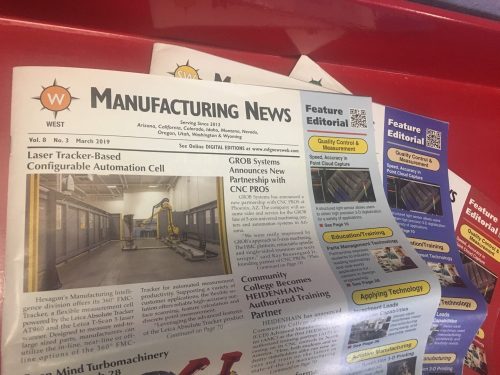
A long standing publication with a classic newspaper vibe – we are proud to have been featured in Manufacturing News many times. The issues focus on different regions and their varying Made in America goals.

Here are some recent pieces that Manufacturing News have featured us in:

Our case study with R & D Manco in Arizona appears in the December 2018 issue. This manufacturer previously had experience with our CNC Editor software and our hardware. However, they implemented an on-premise machine monitoring system after a pilot program. Because of this, they boosted their productivity in a short period of time.

Proving return on investment for automation solutions can be complicated. Because of this, we created an article for decision makers on how to lay these details out. Some pieces of valuable information in this process are equipment compatibility, evaluating processes and having alternative options available. This article appears in the November 2018 issue.

The medical manufacturing industry is a very high-volume business. We constantly work with these shops to find the best automation solutions for them. Specifically, we always recommend OEE (overall equipment efficiency) monitoring. The top four benefits to this software appear in the April 2018 issue.

Check out our other articles on similar manufacturing solutions. Ready to start the conversation about shop floor automation? Call (877) 611-5825 or fill out an online contact form

Shop Floor Automations (SFA) is a big fan of Modern Machine Shop Magazine. We always appreciate when our pieces make the cut for this prestigious publication.

Here are our top four favorite recent issues:

March 2019 – Rise Up Industries, an organization in San Diego County near our corporate office, made the pages of this publication. SFA worked closely on this collaboration. You can see the original length article on the MMS blog.

June 2018 – We made the 90th-anniversary issue. Fun fact – this was the same year as our 20th anniversary! Our full-page spread on our LAN-USB Hardware device discussed adding Ethernet and USB to CNCs. Because the issue featured a retrospective look at shop floor technology, we were humbled to be included.

January 2018 – A crucial productivity tool for our customers at R&D Manco is machine monitoring. “Gathering basic data on machine status, and studying the data to diagnose and remedy the causes of non-cutting time, has been the shop’s most powerful resource for realizing machining capacity improvements.”

October 2017 – SFA Customers at Stollen Machine were dropping programs because of old cabling. So in order to increase productivity, they invested in wireless RS232 units. This gave them back 15% more time daily, according to this case study.

Check out our other published pieces for more product insight. Ready to get started? Call (877) 611-5825 or fill out a contact form