


Build a More Resilient Manufacturing Operation for Energy Production Demands
Real-Time Machine Intelligence • Legacy + Modern Equipment Connectivity • Secure Manufacturing Infrastructure

Energy manufacturers operate in environments where production delays ripple through supply chains supporting power generation, utility infrastructure, oil and gas operations, renewable energy systems and critical industrial equipment. Delivering on schedule while maintaining quality and controlling costs requires more than isolated machines and manual reporting.
Across many facilities, engineering teams are balancing aging machine tools, operations leaders are driving utilization improvements, and IT teams are managing growing connectivity and security requirements.
Shop Floor Automations (SFA) helps bridge these priorities through machine connectivity, production intelligence and integrated manufacturing technologies that bring together equipment, operators and business systems into one connected environment.
Where Energy Manufacturing Loses Efficiency and Visibility
Energy-sector manufacturing often combines high-value capital equipment, mixed production workflows and demanding delivery schedules. Small disconnects between systems can create larger operational bottlenecks.

01 / PRODUCTION RELIABILITY
Equipment Downtime Creates Larger Supply Chain Risk
Unexpected machine failures and idle equipment can affect schedules, customer commitments and production planning across energy supply chains.
02 / INFRASTRUCTURE
Older Machines Still Drive Production
Many facilities rely on legacy CNC equipment that continues producing critical parts but cannot communicate with modern software environments.
03 / OPERATIONAL INTELLIGENCE
Performance Data Lives in Too Many Places
Production information frequently sits across spreadsheets, whiteboards and disconnected systems, limiting decision-making speed.
04 / INDUSTRIAL IT
Connecting OT and IT Remains Difficult
Manufacturers need production data without introducing additional complexity or cybersecurity concerns.
05 / WORKFORCE TRANSITION
Knowledge Leaves Faster Than Documentation Can Keep Up
Manual processes and operator-specific workflows increase risk as experienced employees retire and new teams onboard.
06 / OUTPUT
Demand Changes Require Greater Production Agility
Energy markets shift rapidly, requiring manufacturers to adjust production priorities and maximize capacity.
Manufacturing Solutions Designed Around Energy Production Environments
SFA combines machine connectivity, production monitoring and implementation expertise to improve operational performance across energy manufacturing facilities.
Machine Utilization & Production Intelligence
Convert machine activity into measurable operational insights.
- Live machine status visibility
- OEE and utilization reporting
- Downtime categorization
- Cycle time trend analysis
- Production dashboards for leadership
Controlled CNC Program Distribution
Manage manufacturing programs from a centralized environment.
- Program revision history
- Controlled machine access
- Program request workflows
- Reduced setup risk
- CAM integration support
Modernize Existing Equipment Investments
Extend the value of existing machine assets.
- Legacy machine connectivity
- MTConnect support
- FANUC FOCAS integrations
- OPC-UA options
- Wired and wireless deployments
Connect Production Systems
Create a more connected manufacturing ecosystem.
- ERP integration
- MES connectivity
- SQL and API access
- Automated production synchronization
- Elimination of duplicate data entry
Track Tools and Critical Assets
Increase visibility into production resources.
- Tool tracking
- Asset location visibility
- Calibration monitoring
- Usage history
- Reduced lost tooling events
Implementation and Long-Term Support
Support designed around your environment.
- Shop floor evaluations
- Machine connectivity assessments
- Deployment planning
- Training and onboarding
- U.S.-based support
- Machine Connection
-
Deployments
Flexible Infrastructure Designed for Energy Requirements
Manufacturing facilities serving the energy sector often require shop floor systems that align with operational uptime expectations and internal IT standards.
SFA supports deployment approaches including:
- Local On-Premise Deployments: Maintain direct ownership and control over manufacturing data.
- Segmented Production Networks: Align with internal security and network requirements.
- Air-Gapped Manufacturing Environments: Support facilities requiring isolated operational infrastructure.
- Multi-Site Manufacturing Visibility: Scale reporting and monitoring across all your facilities.
SFA Solutions Aligned to Energy Sector Demands
SFA supports a range of energy-related manufacturing operations, each with different machine assets, compliance needs and performance priorities.
| Segment | Key Challenges | SFA Solutions Applied |
|---|---|---|
| POWER GENERATION EQUIPMENT | Production visibility and throughput | Predator MDC, PDM & DNC |
| OIL & GAS COMPONENT MANUFACTURING | Legacy equipment modernization and utilization | Connectivity hardware, DataXchange machine monitoring |
| WIND & RENEWABLE COMPONENTS | Capacity planning and schedule performance | DataXchange machine monitoring with OEE dashboards and reporting |
| BATTERY & ENERGY STORAGE | Production consistency and traceability | Predator DNC, MDC, Tracker and pWidgets Web-Client HMI |
| INDUSTRIAL MACHINING & SUPPLY CHAIN PARTNERS | Mixed machine environments and workflow standardization | DNC, machine connectivity hardware and services, ERP integration |
How SFA Helps Power a More Connected Shop Floor

1. Understand the Existing Environment
SFA’s manufacturing experts review your machine inventories, controls, workflows and business objectives.
2. Define Infrastructure Requirements
Deployment options and plans are aligned with operations and IT requirements.
3. Establish Machine Connectivity
SFA collaborates with your team to implement hardware and validate machine communications.
4. Configure Software and Reporting
SFA technicians develop custom-built dashboards and integrations to support your operational goals and accessibility.
5. Train Teams and Validate Performance
Your users are prepared with SFA training, documentation and support to confirm data accuracy and expected system performance.
6. Expand and Optimize Over Time
Continue improving performance as production needs evolve.
1. Understand the Existing Environment
SFA’s manufacturing experts review your machine inventories, controls, workflows and business objectives.
2. Define Infrastructure Requirements
Deployment options and plans are aligned with operations and IT requirements.
3. Establish Machine Connectivity
SFA collaborates with your team to implement hardware and validate machine communications.
4. Configure Software and Reporting
SFA technicians develop custom-built dashboards and integrations to support your operational goals and accessibility.
5. Train Teams and Validate Performance
Your users are prepared with SFA training, documentation and support to confirm data accuracy and expected system performance.
6. Expand and Optimize Over Time
Continue improving performance as production needs evolve.
Common Questions From Manufacturers Serving the Energy Sector
Can We Connect Older CNC Machines Without Replacing Existing Equipment?
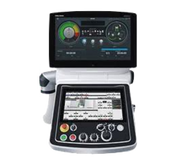
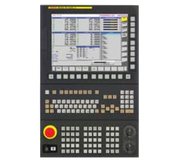
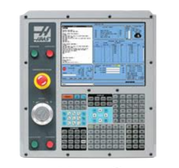
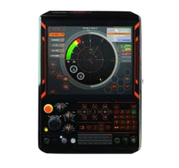
Yes. Many manufacturers in the energy industry operate a mix of newer machining centers alongside legacy Fanuc, Siemens, Mitsubishi, Okuma or Heidenhain controls that still provide significant production value. SFA specializes in connecting both modern and older machines through serial-to-Ethernet hardware, MTConnect adapters, FANUC FOCAS connectivity, OPC-UA interfaces and direct I/O methods. This allows manufacturers to gain real-time machine visibility and production data without large capital replacement projects.
What Shop Floor Data Is Typically Most Valuable for Industrial Manufacturers to Capture First?
For most manufacturers within energy supply chains, the highest-value initial data points typically include:
- Machine utilization and OEE
- Downtime events and causes
- Cycle times
- Setup durations
- Production counts
- Scrap events
- Program usage history
Capturing these metrics often reveals bottlenecks that remain hidden within manual reporting processes and helps prioritize improvement initiatives.
How Can Engineering Teams Reduce CNC Revision Errors Across Multiple Machines?
Centralized CNC program management through DNC and production data management systems helps eliminate uncontrolled workflows involving USB drives, local machine storage and shared folders. Approved revisions can be managed from a single controlled environment while maintaining revision history and ensuring operators access current programs.
What Security and Deployment Options Exist for Manufacturing IT Teams?
SFA deployment architectures can be configured around existing IT requirements and operational constraints. Options may include:
- On-premise deployments
- Segmented manufacturing networks
- Network-isolated environments
- Air-gapped implementations
- Role-based authentication and permissions
This allows manufacturing teams to modernize data visibility while aligning with existing infrastructure and security requirements.
How Can Machine Monitoring Help Improve Capacity Planning and Quoting Accuracy?
Manufacturers frequently estimate capacity using historical assumptions rather than actual machine performance data. Machine monitoring provides real-world cycle times, utilization trends and setup duration data that can improve scheduling accuracy, identify available capacity and support more informed quoting decisions.